





A Factory Boom Without the Workers to Run It
The United States is building semiconductor fabs at a pace not seen in decades. Federal incentives tied to domestic chip production have prompted billions in construction commitments from major manufacturers, with sites breaking ground in Arizona, Ohio, Texas, and upstate New York. The physical infrastructure is coming. The workforce to operate it is not keeping up.
The bottleneck is not engineers or software developers, though those shortages are real too. The more immediate pressure point is skilled trades – the electricians, pipefitters, HVAC technicians, and process technicians who build, maintain, and run cleanroom environments. These are jobs that require years of training and cannot be filled by a six-week coding bootcamp or a rushed online certification.

Why Semiconductor Work Is Harder to Staff Than It Looks
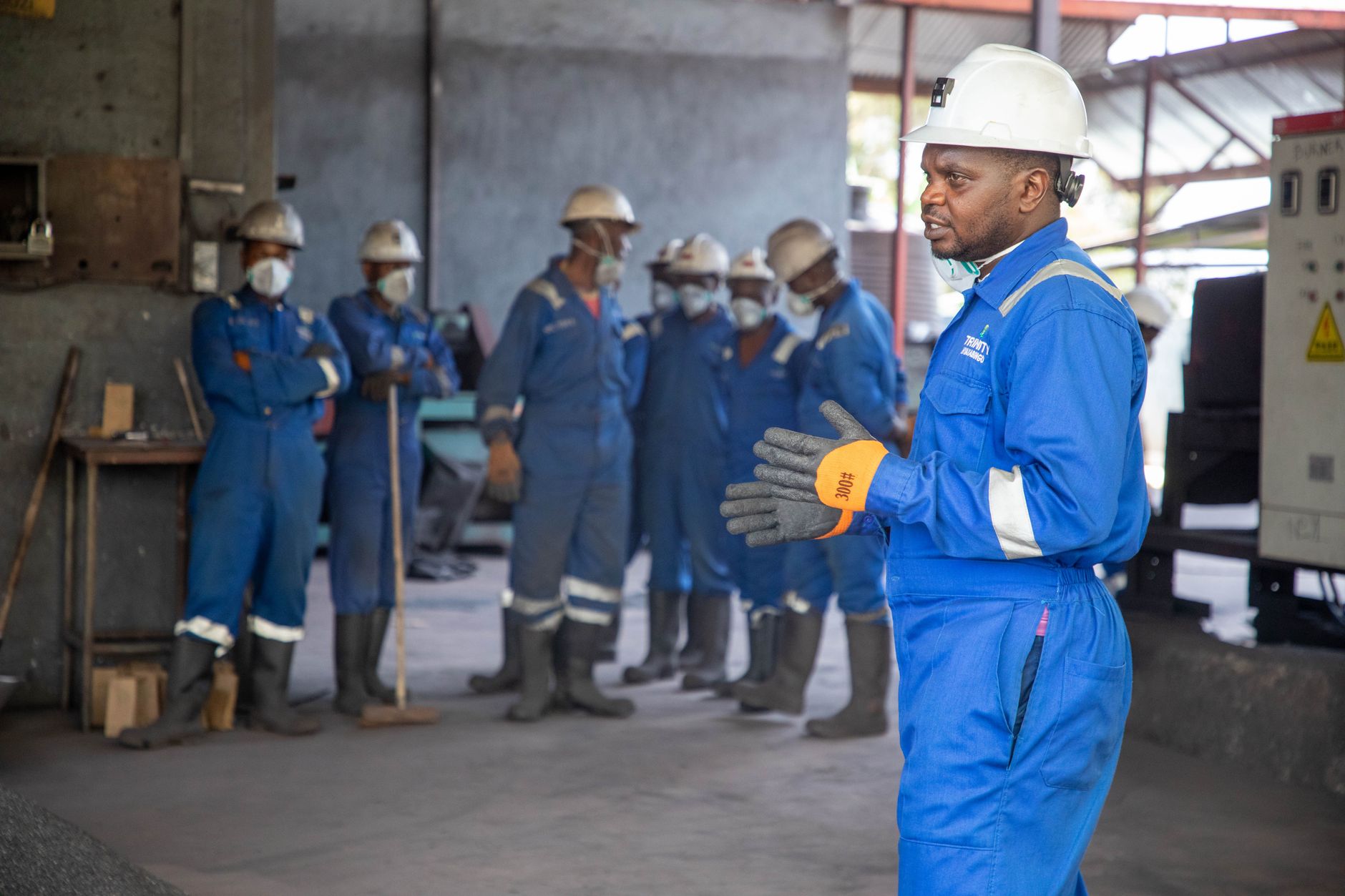
A semiconductor fabrication plant is not a standard industrial facility. The tolerances involved – for air quality, vibration, chemical handling, and temperature – are extreme by any manufacturing standard. Workers entering cleanroom environments must understand contamination control protocols, operate specialized equipment, and often hold certifications that take 18 months to several years to complete. The training infrastructure for this kind of specialization simply does not exist at the scale the current construction wave demands.
Community colleges and technical schools in the regions where fabs are being built have scrambled to stand up new programs. Some have partnered directly with manufacturers to co-develop curricula. But these programs are starting largely from scratch in many states, and enrollment pipelines take years to fill. A student who enrolls in a semiconductor process technology program today likely will not be ready for full-time fab work until the mid-2020s – precisely when the facilities being built now are expected to hit peak staffing needs.
The Trades Gap Underneath the High-Tech Narrative
The broader skilled trades shortage in the U.S. predates the semiconductor push by at least a generation. Decades of emphasis on four-year college as the default post-secondary path drained enrollment from vocational programs. Shop classes disappeared from high schools. Apprenticeship programs in the building trades shrank in many regions. The result is a structural deficit in workers who can do precision physical work.
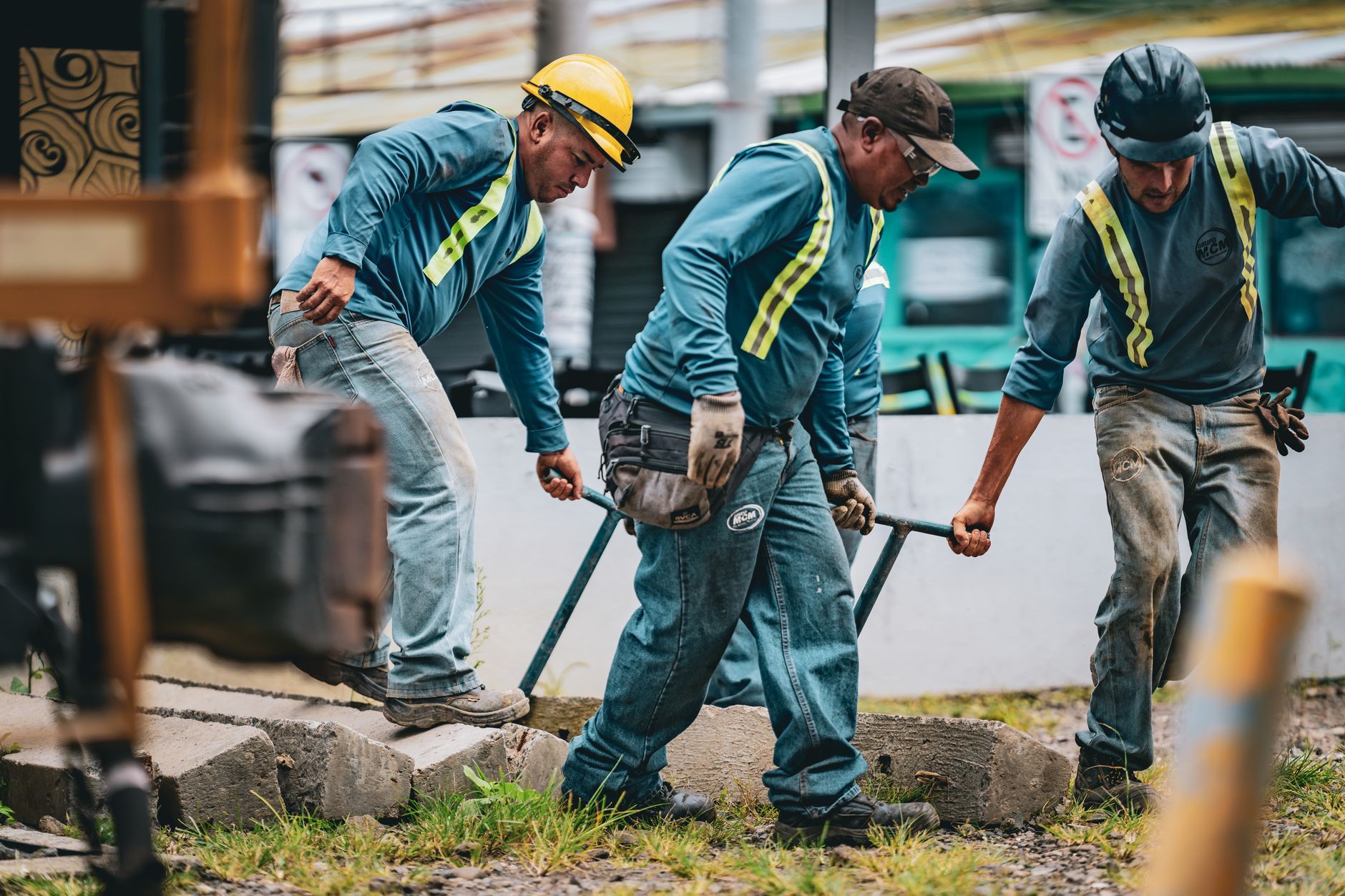
That deficit is now colliding directly with the ambitions of industrial policy. The electricians needed to wire a fab, the pipefitters needed to install ultra-pure water systems, and the HVAC specialists needed to maintain cleanroom air handling – all of these workers are in short supply nationally, and they are competing with every other construction project happening simultaneously across an economy that has seen broad infrastructure and manufacturing investment in recent years.
Wages have moved in response. Skilled trades workers in high-demand construction zones are commanding significantly higher pay than they would have five years ago, which is drawing some workers to relocate. But relocation incentives only redistribute an already thin national pool. They do not add net capacity to the workforce, and they often create labor shortages elsewhere.
Training timelines are the structural problem no wage premium can solve quickly. An electrician licensed for high-voltage industrial work typically completes a four- or five-year apprenticeship. A process technician trained specifically for semiconductor fab environments needs a combination of chemistry, equipment operation, and cleanroom discipline that takes years to develop on the job even after formal training ends. There is no shortcut that maintains quality, and fab operators know it – a contamination event caused by inadequately trained staff can destroy product worth millions in a matter of minutes.
What Manufacturers Are Doing in the Interim
Some fab developers are working directly with high schools to introduce semiconductor awareness programs, hoping to capture interest early enough to funnel students into relevant technical tracks. Others have funded expansion of community college programs, donated equipment, or offered paid internships to students mid-training. These are genuine investments, but they are bets on a five-to-ten year horizon, not solutions to an immediate staffing gap.
A number of companies have also looked internationally to fill roles while domestic pipelines mature. Bringing in experienced process technicians from established semiconductor hubs in Asia has become a staffing strategy for some fab operators, though visa constraints and political friction around foreign labor in a reshoring-focused policy environment complicate that path.
The Policy Gap Nobody Budgeted For
Federal incentives for semiconductor manufacturing were designed to address supply chain vulnerability and national security concerns around chip production. They were not designed with workforce development as a primary mechanism. The result is a situation where the government is effectively subsidizing the construction of facilities that the country does not yet have the trained workforce to fully operate.
Some workforce provisions were included in related legislation, and funding has flowed toward training partnerships. But the scale of that investment relative to the workforce gap is modest. Building a fab costs billions. Training the workforce to run it at full capacity requires sustained, coordinated investment in education infrastructure that has historically been the domain of states, community colleges, and industry – all of which are now trying to catch up simultaneously.
The tension this creates is straightforward: construction deadlines are fixed, training pipelines are slow, and the gap between them is where production capacity gets delayed or compromised. Several fab projects have already pushed back initial production targets, and workforce availability has been cited alongside equipment supply and permitting as a contributing factor. The fabs are being built. Whether they can be fully staffed when the ribbon gets cut is a separate and harder question.