



The Sun Belt’s Rent Surge Is Running Out of Steam
For several years running, cities like Austin, Phoenix, Atlanta, and Charlotte were landlord territory. Pandemic-era migration patterns sent millions of remote workers and young professionals flooding into Sun Belt metros, and rents followed them up – sometimes by double digits year over year. That cycle is now breaking down, and the reason is straightforward: builders caught up. A wave of new apartment supply that was stuck in the pipeline during construction bottlenecks is now hitting the market all at once, and renters are starting to feel the difference.
Rent growth across many Sun Belt markets has gone flat or turned slightly negative in nominal terms. In some submarkets, landlords are offering concessions – a free month here, waived parking fees there – that they would have laughed at two years ago. This is not a crash, and it is not uniform. But the leverage has shifted, and for the first time in years, the renter has options.
What Happens When Supply Finally Arrives
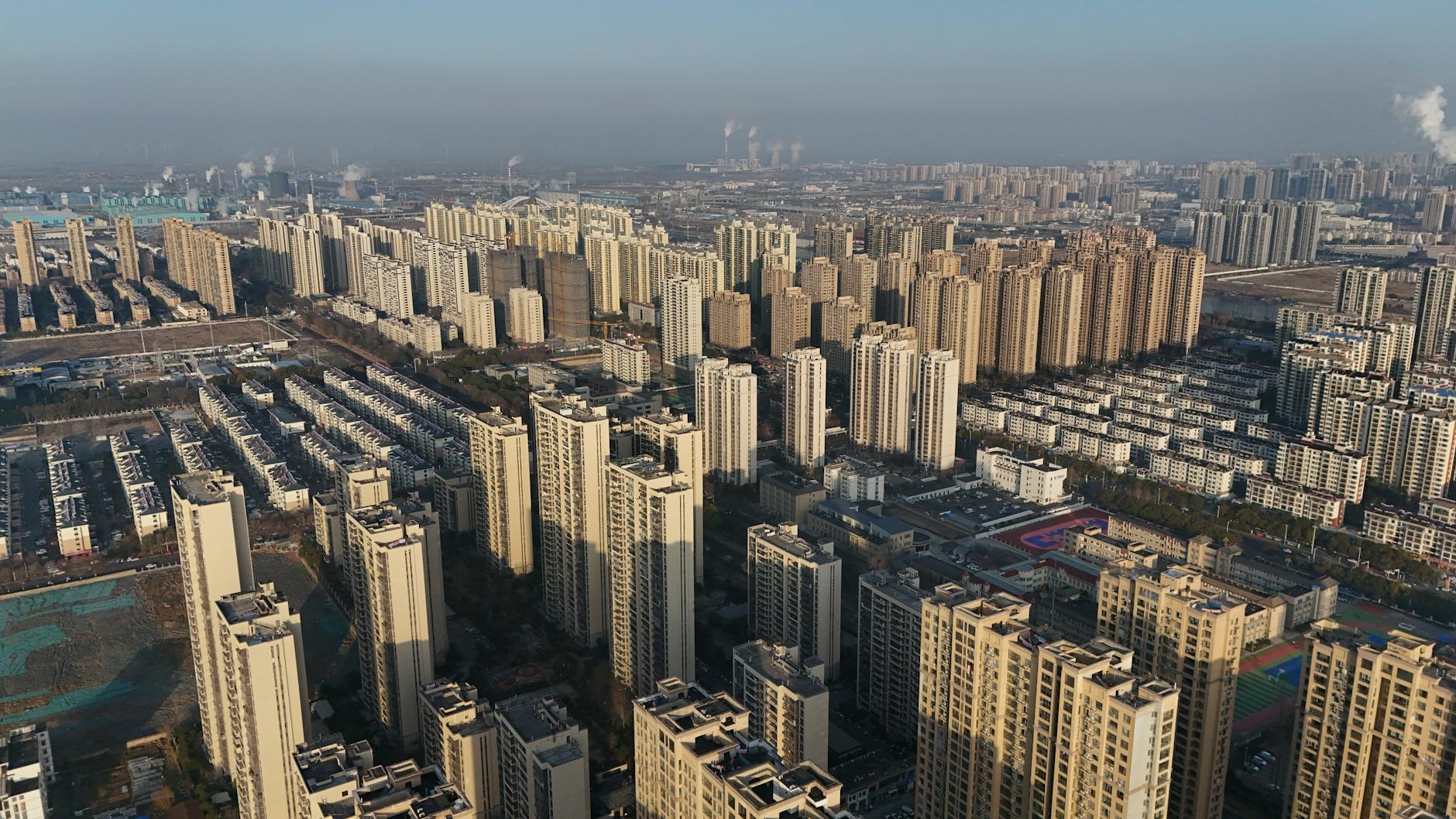
The apartment construction boom that is now softening rents did not happen overnight. Developers broke ground on hundreds of thousands of units across Sun Belt metros starting in 2021 and 2022, responding rationally to what looked like insatiable demand. But construction timelines run 18 to 36 months on average for large multifamily projects, which means the units permitted during the frenzy are only now reaching certificate of occupancy. The result is a delivery surge landing in markets that have simultaneously seen some migration momentum cool.
Austin is the sharpest case. The city added more new apartment units per capita than almost any other major metro over the past two years, and the effects on rent are visible. Year-over-year rent growth in Austin has turned negative in several zip codes, with some newer luxury towers sitting at occupancy rates that would have been considered alarming at the height of the boom. Property management teams are being more aggressive with pricing tools, adjusting rates week to week in ways that favor tenants willing to negotiate.
Phoenix and Nashville tell a similar story. Both cities saw enormous population inflows during 2020 and 2021, pushing vacancy to historic lows and rents to heights that priced out many longtime residents. Supply is now catching that demand curve from behind. Vacancy rates in those metros have climbed back toward levels that give renters real negotiating room, particularly in the mid-tier and luxury segments where most of the new construction is concentrated.
Luxury Glut, Affordable Shortage
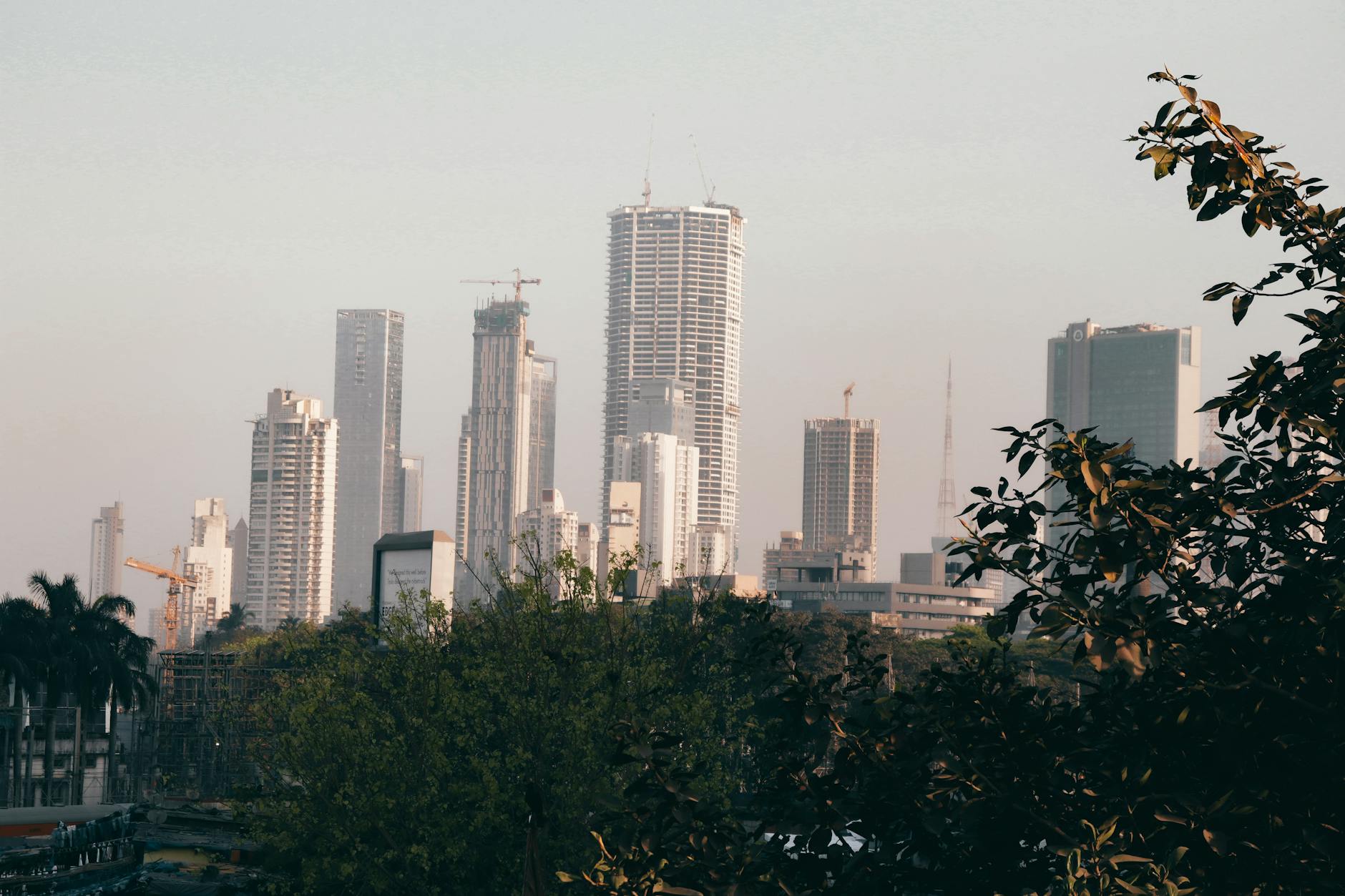
There is an important caveat buried in this story: the supply surge is not evenly distributed across price points. The vast majority of new Sun Belt apartments are classified as Class A luxury units – high-end finishes, rooftop pools, coworking lounges, and rents to match. Developers build what pencils out financially, and in most markets that means targeting households earning well above median income.
That concentration matters because it means the softening rent picture does not apply equally to everyone. A renter looking at a new luxury tower in a trendy Austin neighborhood may find genuine concessions and flat pricing. A renter looking for a two-bedroom under $1,400 a month in the same city is still operating in a tight market with limited options. The supply wave is real, but it is solving the problems of upper-income renters first.
What Investors and Developers Are Watching
Multifamily real estate investors are now navigating a more complicated calculus than they faced during the boom. Cap rates have compressed, financing costs remain elevated compared to the zero-rate era, and net operating income growth is harder to project when rents are flat or declining in some assets. Some owners of newer buildings are accepting lower rent growth in exchange for maintaining occupancy, which at least keeps debt service covered while they wait for the supply wave to absorb.
The pipeline question is what keeps developers up at night. New construction starts have slowed considerably as tighter lending conditions and softer rent projections make new projects harder to underwrite. That slowdown in starts today means fewer deliveries two to three years from now, which could set the stage for another supply crunch – particularly if Sun Belt population growth holds steady or accelerates again. The building boom contains the seeds of its own correction.

For institutional apartment owners, the near-term priority is operational efficiency: tighter expense management, smarter revenue management software, and selective capital expenditure to keep assets competitive without blowing out budgets. Some larger landlords are also shifting focus toward markets that missed the construction surge entirely – secondary Sun Belt cities and Midwest metros where supply additions have been modest and rent growth has remained more stable.
The broader economic backdrop adds another layer of uncertainty. If employment softens and white-collar layoffs accelerate in tech and finance – sectors that drove much of the Sun Belt migration – demand could weaken at exactly the moment supply is peaking. That combination, not the supply surge alone, is the scenario that would push vacancy rates into genuinely uncomfortable territory for landlords. Right now, job markets in most Sun Belt metros remain solid enough to absorb the new units slowly. The question is whether that holds through the rest of the delivery cycle, which for most major Sun Belt metros runs well into 2026.