




Top Stories

CMS billing rule clarifications are cutting Medicare reimbursement for rural clinics relying on nurse practitioners, threatening clinic finances and care access.






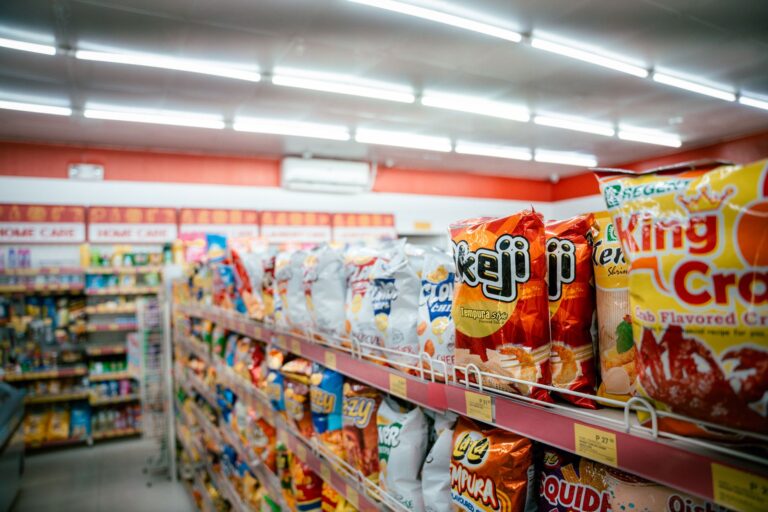
Grocery delivery growth in suburbs masks a quieter crisis – rising food insecurity among working households that delivery platforms never reach and statistics rarely capture.

Student loan delinquencies are climbing fast as repayment pause protections expire, hitting borrowers hardest with servicer failures, frozen relief plans, and credit score fallout.

Tariff stockpiling earlier this year left U.S. importers holding excess inventory, and now that glut is quietly suppressing Q3 import demand as companies wait it out.

Private credit funds have raised over $1.4 trillion, displacing banks as middle-market companies seek faster, more flexible financing solutions.




Federal return-to-office mandates are pushing commuters back onto transit systems that spent years cutting services and drawing down pandemic relief funds.

State legislatures are challenging nonprofit hospital tax exemptions, questioning whether hospitals deliver enough community benefit to justify billions in foregone tax revenue.

The FTC is scrutinizing grocery shrinkflation labeling practices as consumer complaints mount over hidden price hikes through smaller package sizes.

Water utility bills are rising fast as infrastructure debt matures and construction costs surge, leaving ratepayers to absorb decades of deferred maintenance.

Federal quota cuts on key commercial species are pushing small boat fishing operators toward financial collapse, as fixed costs collide with shrinking catch limits and rising lease prices.

Small banks are merging at an accelerating pace as deposit competition erodes margins. Here’s what’s driving the deals and what communities stand to lose.

State budgets are tightening, and corporate relocation incentive packages are shrinking. Here’s what that means for companies, communities, and the competition for jobs.

Grocery loyalty programs have quietly become the data backbone of fast-growing retail media networks, letting brands buy ads targeted by real purchase history.