



Top Stories

CMS billing rule clarifications are cutting Medicare reimbursement for rural clinics relying on nurse practitioners, threatening clinic finances and care access.





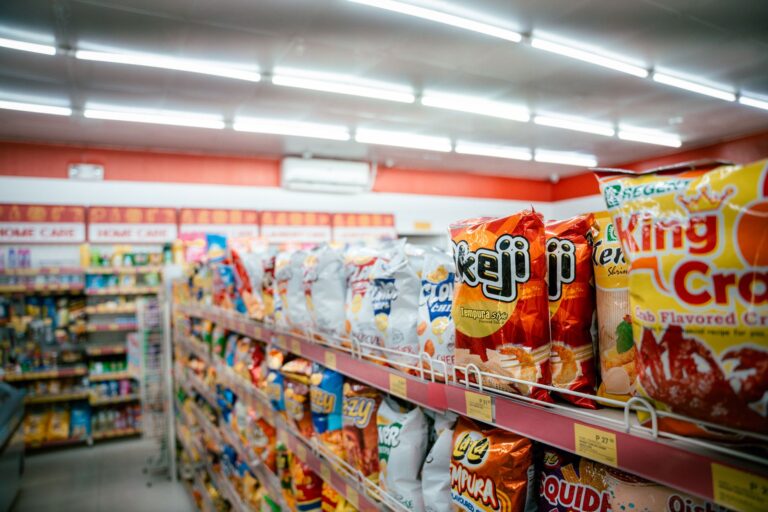
Grocery delivery growth in suburbs masks a quieter crisis – rising food insecurity among working households that delivery platforms never reach and statistics rarely capture.

Student loan delinquencies are climbing fast as repayment pause protections expire, hitting borrowers hardest with servicer failures, frozen relief plans, and credit score fallout.

Tariff stockpiling earlier this year left U.S. importers holding excess inventory, and now that glut is quietly suppressing Q3 import demand as companies wait it out.

Private credit funds have raised over $1.4 trillion, displacing banks as middle-market companies seek faster, more flexible financing solutions.




America’s egg-laying flock is slowly rebuilding after avian flu devastation, but biology, biosecurity rules, and persistent H5N1 risk keep full recovery out of reach.

Private credit funds are rapidly replacing banks in infrastructure financing as regulatory pressure forces lenders to retreat. Here’s how the shift is reshaping capital markets.

Rising student loan defaults are forcing upward revisions to federal credit budget estimates, exposing deep structural weaknesses in how the government accounts for loan losses.

Tariffs pushed companies to reshore production, but softening consumer demand is now threatening the financial logic behind those domestic manufacturing bets.

Visa sponsorship freezes are quietly reshaping high-skill hiring, trapping workers and rerouting global talent away from U.S. employers and cities.

Contract disputes between dock workers and port operators have frozen automation rollouts at major U.S. ports, with billions in planned investment now on hold pending unresolved labor negotiations.

Public pension systems are facing deepening shortfalls as waves of retiring government workers strain funding ratios and expose decades of optimistic actuarial assumptions.

Egg price volatility is squeezing food service operators nationwide, forcing menu changes, price hikes, and new procurement strategies as supply instability drags on.