


Top Stories

CMS billing rule clarifications are cutting Medicare reimbursement for rural clinics relying on nurse practitioners, threatening clinic finances and care access.



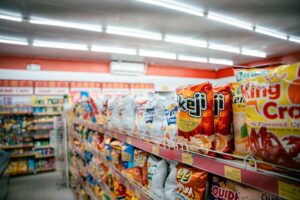


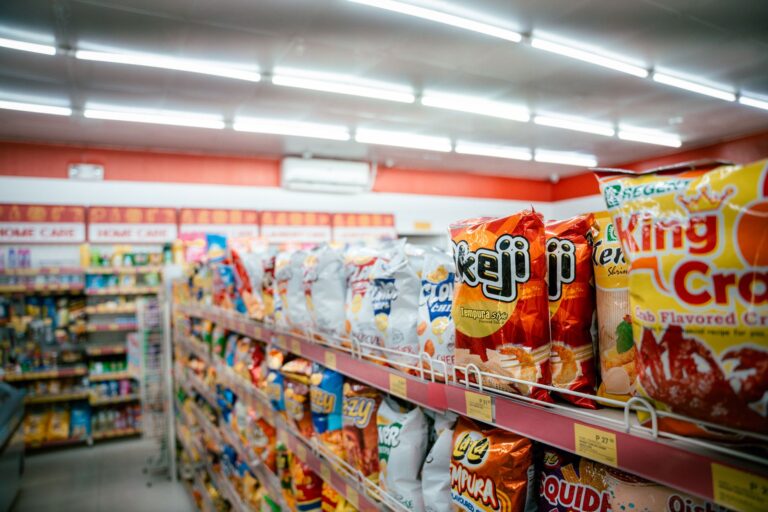
Grocery delivery growth in suburbs masks a quieter crisis – rising food insecurity among working households that delivery platforms never reach and statistics rarely capture.

Student loan delinquencies are climbing fast as repayment pause protections expire, hitting borrowers hardest with servicer failures, frozen relief plans, and credit score fallout.
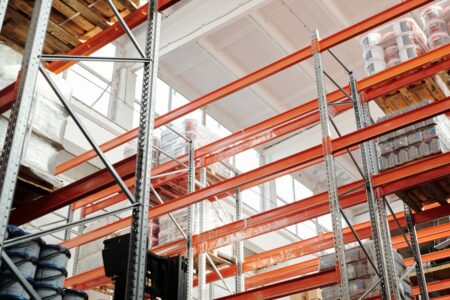
Tariff stockpiling earlier this year left U.S. importers holding excess inventory, and now that glut is quietly suppressing Q3 import demand as companies wait it out.

Private credit funds have raised over $1.4 trillion, displacing banks as middle-market companies seek faster, more flexible financing solutions.




Commercial insurance rate hikes are hitting nonprofit budgets hard, forcing service cuts as premiums outpace fixed grant funding and contract cycles.

Private equity-backed dental groups are buying up rural practices, leaving patients with longer drives, fewer providers, and less continuity of care.

Hotel developers face mounting debt stress as business travel demand plateaus, leaving floating-rate construction loans unpaid and urban properties underperforming their original projections.

Cargo insurance premiums are climbing across major trade routes as piracy, conflict, and rerouting combine to force insurers to reprice risk at scale.

Solar installer bankruptcies are rising as delayed federal tax credit guidance leaves companies unable to secure financing or reliably monetize IRA credits.

Defined-benefit pension obligations from longshoremen union contracts are quietly draining small port authorities, forcing cuts to infrastructure and threatening regional economic stability.

SBA loan demand is cooling while small business closures quietly accelerate. Here’s what the trend reveals about the state of Main Street.
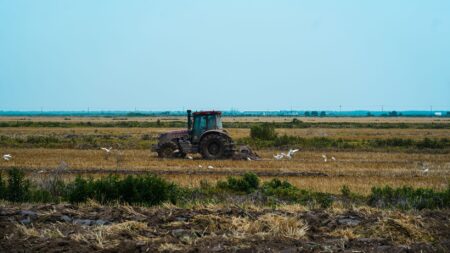
Farm equipment repossession rates are rising as falling crop prices leave farmers unable to service machinery debt taken on during the commodity boom. The squeeze is deepening fast.