


Top Stories

CMS billing rule clarifications are cutting Medicare reimbursement for rural clinics relying on nurse practitioners, threatening clinic finances and care access.





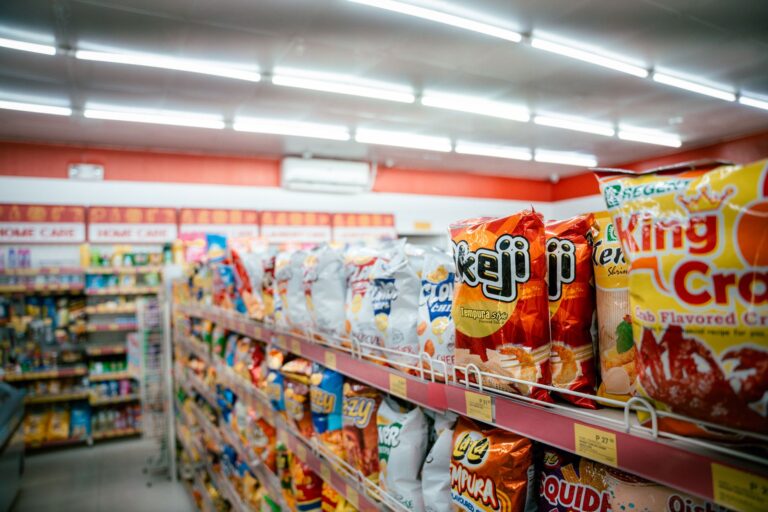
Grocery delivery growth in suburbs masks a quieter crisis – rising food insecurity among working households that delivery platforms never reach and statistics rarely capture.

Student loan delinquencies are climbing fast as repayment pause protections expire, hitting borrowers hardest with servicer failures, frozen relief plans, and credit score fallout.
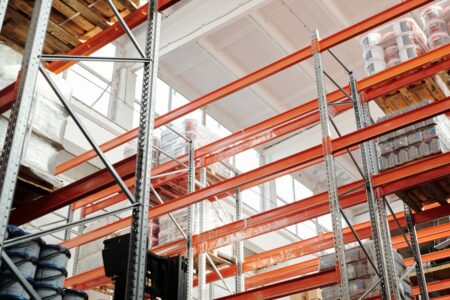
Tariff stockpiling earlier this year left U.S. importers holding excess inventory, and now that glut is quietly suppressing Q3 import demand as companies wait it out.

Private credit funds have raised over $1.4 trillion, displacing banks as middle-market companies seek faster, more flexible financing solutions.




Homebuilders are stacking mortgage rate buydowns and other incentives to move inventory, but the strategy is compressing margins at a rate the industry did not plan for.

Freight brokers face collapsing margins as large shippers build direct carrier contracts, cutting out the middleman and leaving brokers with low-value spot freight.

Congressional efforts to expand the Child and Dependent Care Tax Credit have stalled again, even as the workforce participation gap for mothers of young children continues to widen.

Unresolved ILA contract talks are forcing importers to make costly contingency decisions during the most critical window of the holiday shipping calendar.

Childcare center closures are pushing working parents – mostly mothers – out of the labor force entirely, creating invisible workforce losses that headline unemployment figures never capture.
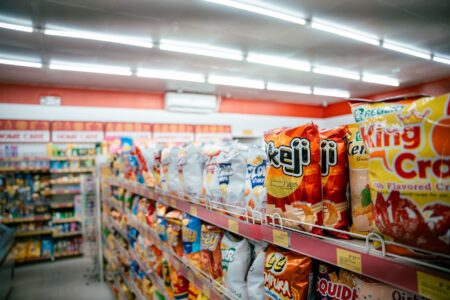
Egg prices are reshaping grocery inflation in ways that go beyond the carton. Here’s how one commodity is skewing CPI data and household budgets alike.

Trillions in corporate debt are maturing into a high-rate environment, and the refinancing costs are already compressing margins, cutting spending, and straining weaker borrowers.

Enrollment declines at regional universities are draining college-town retailers of their core customer base, with leases, rents, and narrowly focused business models compounding the damage.