





The Price Gap Growing at the Grocery Store
Walk into a grocery store in downtown Chicago or Manhattan and then drive two hours into rural Illinois or upstate New York, and the sticker prices on the same box of cereal, carton of eggs, or gallon of milk may surprise you – not always in the direction you’d expect. The conventional assumption has long been that rural areas offer cheaper living, including cheaper food. That assumption is fraying. Across several categories of grocery staples, the price gap between urban and rural stores is widening in ways that cut against that familiar narrative.
What’s driving the divergence isn’t a single cause but a convergence of supply chain pressures, retailer consolidation, and the uneven reach of discount competition. Urban shoppers increasingly have access to warehouse clubs, discount grocers, and delivery-driven price wars that don’t reach smaller rural markets. Meanwhile, rural residents often depend on a single local store with limited bargaining power against suppliers. The result is a geography of grocery pricing that’s becoming harder to ignore.

Where the Price Differences Show Up Most
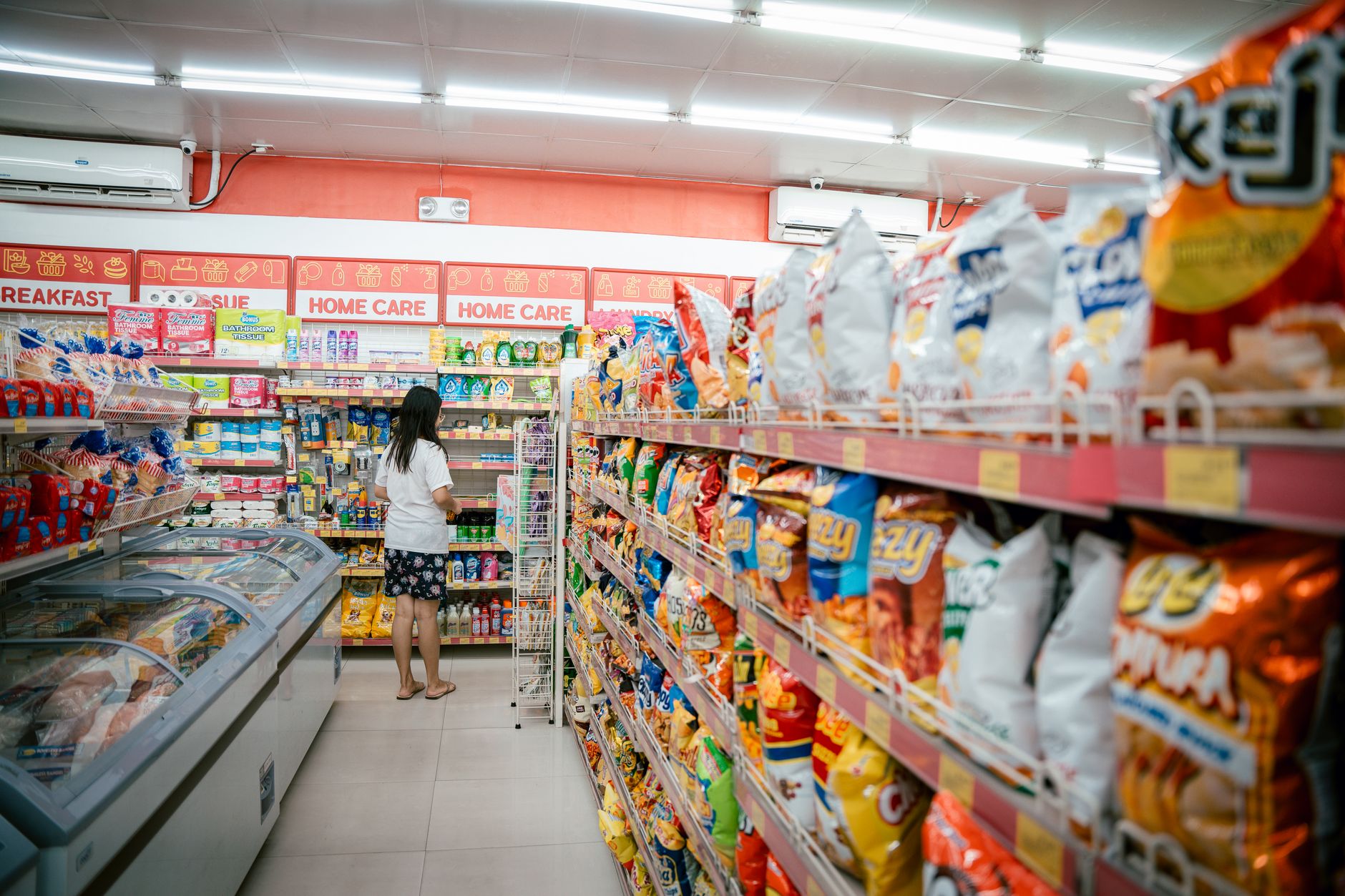
The sharpest gaps tend to appear in categories with shorter shelf lives or higher transportation costs – fresh produce, dairy, and proteins. A rural grocery store in a sparsely populated county may receive fewer deliveries per week, which means less competitive pricing on items that don’t hold. Shelf prices on fresh chicken, leafy greens, and whole milk can run noticeably higher than in urban chains that move high volumes and negotiate accordingly.
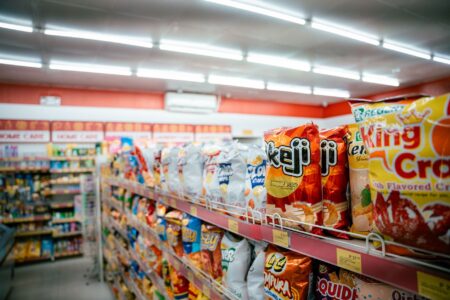
Shelf-stable items tell a more complicated story. Canned goods, dry pasta, and packaged snacks are areas where national brands often maintain consistent suggested retail prices, but rural stores lack the foot traffic to justify deep promotional discounts. Urban supermarkets routinely run loss-leader promotions on staples to bring shoppers in the door. A rural store with no nearby competition has little incentive – and often insufficient margin – to absorb that kind of price cut.
The Retail Competition Factor
The presence or absence of competing grocery formats is probably the single biggest driver of local price levels. When a Walmart Supercenter or a discount grocer like Aldi or Lidl enters a market, surrounding stores typically adjust prices downward to stay competitive. This phenomenon, well-documented in retail economics, simply doesn’t apply in the same way to rural areas where those chains haven’t expanded.
Aldi and Lidl have been growing their U.S. store counts aggressively, but their expansion has concentrated in suburban and mid-size urban markets where density justifies the investment. Many rural counties remain untouched by that competition. The residents there are effectively paying a premium not because rural stores are price-gouging, but because the competitive pressure that disciplines urban pricing doesn’t exist.
Warehouse clubs like Costco and Sam’s Club compound the gap differently. Urban and suburban households with access to these stores can buy staples in bulk at per-unit prices that rural shoppers simply can’t access – unless they’re willing to drive an hour or more each way. That drive cost, in time and fuel, is itself a form of price inflation that doesn’t appear on any grocery receipt but is very real for the household budget.
Online grocery delivery has been promoted as a potential equalizer, but the reality on the ground is more limited. Delivery surcharges, minimum order thresholds, and the exclusion of remote zip codes from major delivery networks mean that rural households are often paying more for the service itself, or can’t access it at all. The promise of e-commerce flattening geographic price differences has, so far, not materialized evenly.
Supply Chain Costs and Rural Store Economics
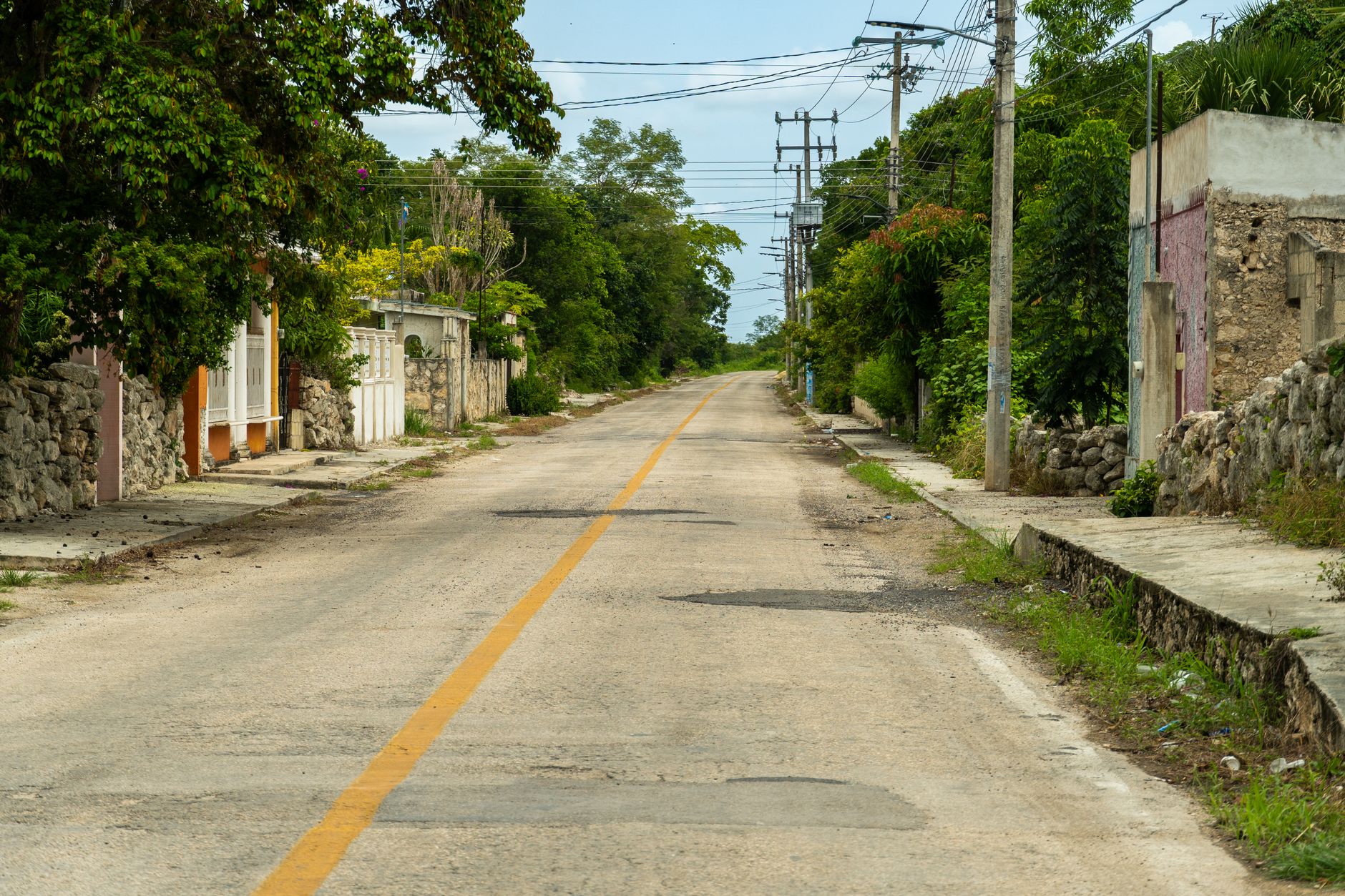
Running a grocery store in a low-density area is genuinely more expensive on a per-unit basis. Smaller order volumes mean less negotiating leverage with distributors. Delivery routes that serve rural stores are longer and less efficient, and those costs get passed along in the supply chain. A store selling 200 gallons of milk a week simply cannot extract the same per-unit price from a dairy distributor as a chain location moving 2,000 gallons.
Independent rural grocers – a category that has been shrinking for decades – operate on thinner margins than their urban chain counterparts and have fewer tools to absorb commodity price spikes. When egg prices surged over the past two years (a trend touched on in coverage of egg tariff exemptions and trade policy gaps), urban chains had more flexibility to soften the consumer-facing price through promotional subsidies or private-label alternatives. Many rural stores had no such buffer.
Who Bears the Weight
The households most exposed to rural grocery price premiums are not, in most cases, wealthy second-home owners or retirees with flexible budgets. Rural poverty rates remain elevated in many parts of the South, Appalachia, the Great Plains, and tribal lands in the Mountain West. Families spending a higher share of their income on food feel a 10 or 15 percent grocery price premium far more acutely than a household where groceries represent a small fraction of discretionary spending.
SNAP benefits, which are calibrated nationally and don’t adjust for local price variation, provide the same nominal value regardless of whether a recipient lives in a city with multiple competing stores or a rural county with one option. A benefit worth $400 in purchasing power in one geography may effectively function as $340 or $350 in a higher-priced rural market – not because the dollar amount changed, but because the prices didn’t cooperate.
The political conversation around food costs has largely focused on inflation as a national average, tracking CPI food-at-home data and treating it as a uniform experience across the country. The on-the-ground reality is much more granular. Two households with identical incomes and identical grocery lists can face materially different monthly food bills depending entirely on where they happen to live – and in most cases, the rural household is paying more while having fewer options to do anything about it.

Frequently Asked Questions
Why are grocery prices often higher in rural areas?
Rural stores face higher per-unit supply chain costs, less retailer competition, and fewer promotional tools than urban chains, which pushes shelf prices up.
Do online grocery services help close the rural price gap?
Not reliably. Delivery surcharges, minimum order requirements, and zip code exclusions mean many rural households either can’t access delivery or pay more for it.