



Top Stories

CMS billing rule clarifications are cutting Medicare reimbursement for rural clinics relying on nurse practitioners, threatening clinic finances and care access.



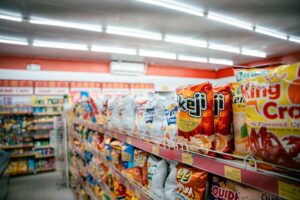


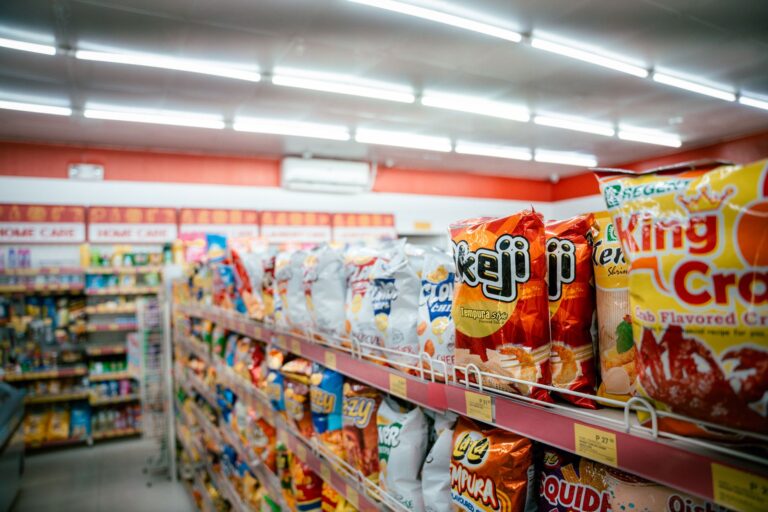
Grocery delivery growth in suburbs masks a quieter crisis – rising food insecurity among working households that delivery platforms never reach and statistics rarely capture.

Student loan delinquencies are climbing fast as repayment pause protections expire, hitting borrowers hardest with servicer failures, frozen relief plans, and credit score fallout.

Tariff stockpiling earlier this year left U.S. importers holding excess inventory, and now that glut is quietly suppressing Q3 import demand as companies wait it out.

Private credit funds have raised over $1.4 trillion, displacing banks as middle-market companies seek faster, more flexible financing solutions.




Trucking spot rates are sliding across all major freight categories as goods demand weakens and excess capacity keeps pressure on carrier margins.

Grocery chains are accelerating store closures in low-income urban neighborhoods, leaving residents without fresh food access and communities without economic anchors.

Falling remittance flows are squeezing migrant worker households as wage stagnation, high transfer fees, and currency shifts reduce the money families abroad can send home.

Grocery prices show year-over-year declines, but shrinkflation, sticky labor costs, and price memory explain why shoppers aren’t feeling the relief.

Tariff-driven reshoring is creating real demand for domestic manufacturing – but capacity constraints, workforce gaps, and unstable trade policy are making the transition far harder than expected.

Medicaid pharmacy carve-outs promise state budget savings but are creating serious access barriers for low-income patients who depend on specialty drugs to manage chronic conditions.

Medicaid managed care insurers face falling enrollment and rising costs as post-pandemic redeterminations shrink membership rolls and compress margins.

Major retailers are accelerating self-checkout rollouts and cutting cashier positions at scale. Hourly workers face displacement with few retraining options and a tightening job market.