



Top Stories

CMS billing rule clarifications are cutting Medicare reimbursement for rural clinics relying on nurse practitioners, threatening clinic finances and care access.







Grocery delivery growth in suburbs masks a quieter crisis – rising food insecurity among working households that delivery platforms never reach and statistics rarely capture.

Student loan delinquencies are climbing fast as repayment pause protections expire, hitting borrowers hardest with servicer failures, frozen relief plans, and credit score fallout.
Tariff stockpiling earlier this year left U.S. importers holding excess inventory, and now that glut is quietly suppressing Q3 import demand as companies wait it out.

Private credit funds have raised over $1.4 trillion, displacing banks as middle-market companies seek faster, more flexible financing solutions.




Millions lost Medicaid coverage during the post-pandemic unwinding – many wrongfully. Here’s how the process broke down and who paid the price.

Chain pharmacy closures are hitting low-income zip codes hardest, creating pharmacy deserts that cut medication access for the most vulnerable patients and triggering broader economic decline.

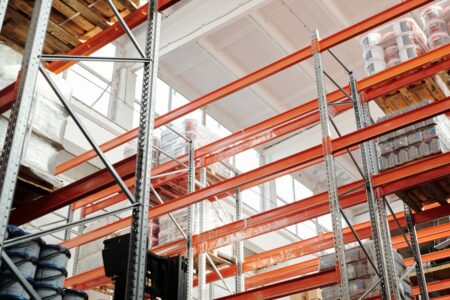
Warehouse vacancy rates are rising across major U.S. logistics corridors as e-commerce lease demand cools and new supply keeps delivering into a softening market.

A medical certification bottleneck is sidelining commercial truck drivers nationwide, straining freight capacity as examiner shortages and administrative delays compound.

Hospital mergers in mid-size cities are quietly eliminating local competition, driving up prices for commercially insured patients and reshaping regional labor markets.

Trucking spot rates remain depressed as carrier failures climb, driven by weak freight demand, excess capacity, and rising operating costs squeezing small fleets.

Rural hospitals are closing as Medicaid reimbursement rates fail to keep pace with rising costs, leaving underserved communities without critical care access.

Small business borrowing costs remain stubbornly high as the Fed holds rates steady, leaving Main Street without the relief many owners had planned around.