



Top Stories

CMS billing rule clarifications are cutting Medicare reimbursement for rural clinics relying on nurse practitioners, threatening clinic finances and care access.







Grocery delivery growth in suburbs masks a quieter crisis – rising food insecurity among working households that delivery platforms never reach and statistics rarely capture.

Student loan delinquencies are climbing fast as repayment pause protections expire, hitting borrowers hardest with servicer failures, frozen relief plans, and credit score fallout.
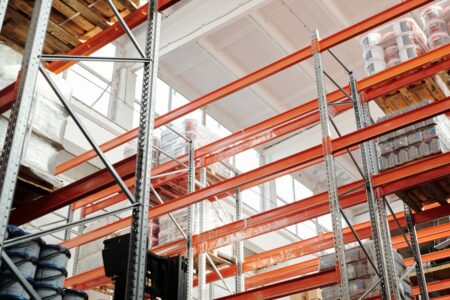
Tariff stockpiling earlier this year left U.S. importers holding excess inventory, and now that glut is quietly suppressing Q3 import demand as companies wait it out.

Private credit funds have raised over $1.4 trillion, displacing banks as middle-market companies seek faster, more flexible financing solutions.




Federal Student Aid processing delays pushed fall enrollment plans into chaos for thousands of students, hitting first-gen and low-income applicants hardest.

DOGE’s review of USDA spending puts SNAP benefits at risk for 42 million Americans through formula changes, work requirement expansions, and cost-shifting to states.

Mid-size manufacturers are sitting on approved budgets they won’t deploy as tariff volatility makes capital project cost assumptions impossible to close. The freeze is spreading beyond factory floors.

Water utilities are raising rates at accelerating speed as aging infrastructure and mounting debt force a financial reckoning that’s hitting households directly.

Medicaid managed care rebids are taking far longer than states plan for, triggering budget gaps and cascading fiscal pressure across state governments managing complex Medicaid contracts.

Many state unemployment trust funds lack reserves to survive a recession, forcing federal borrowing that slows recovery and raises costs for employers and workers alike.

Commercial trucking insurance premiums are surging due to rising crash liability costs, nuclear verdicts, and expensive truck repairs, squeezing carriers on thin margins.
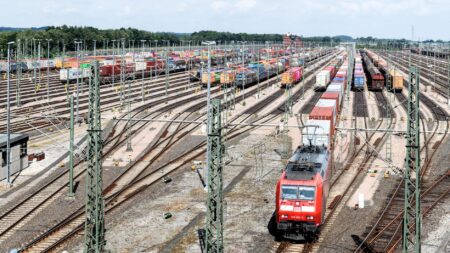
Freight rail volumes are declining across industrial categories as manufacturing orders cool, signaling broader economic weakness before official data catches up.