




The Convenience Economy’s Blind Spot
Grocery delivery has become a defining feature of suburban American life. Instacart orders, same-day Walmart deliveries, and Amazon Fresh subscriptions have reshaped how millions of households stock their kitchens – creating a surface image of convenience, choice, and abundance. But that image is doing a lot of work to cover a more uncomfortable reality: suburbs across the country are seeing a quiet but measurable rise in food insecurity, and the delivery boom is almost perfectly designed to make it invisible.
The households placing those orders are not the same households skipping meals. That gap – between who the delivery economy serves and who it leaves out – is widening in ways that local governments and food banks are only beginning to track. The delivery surge is real. So is the hunger underneath it.
Suburbs Were Never the Whole Story
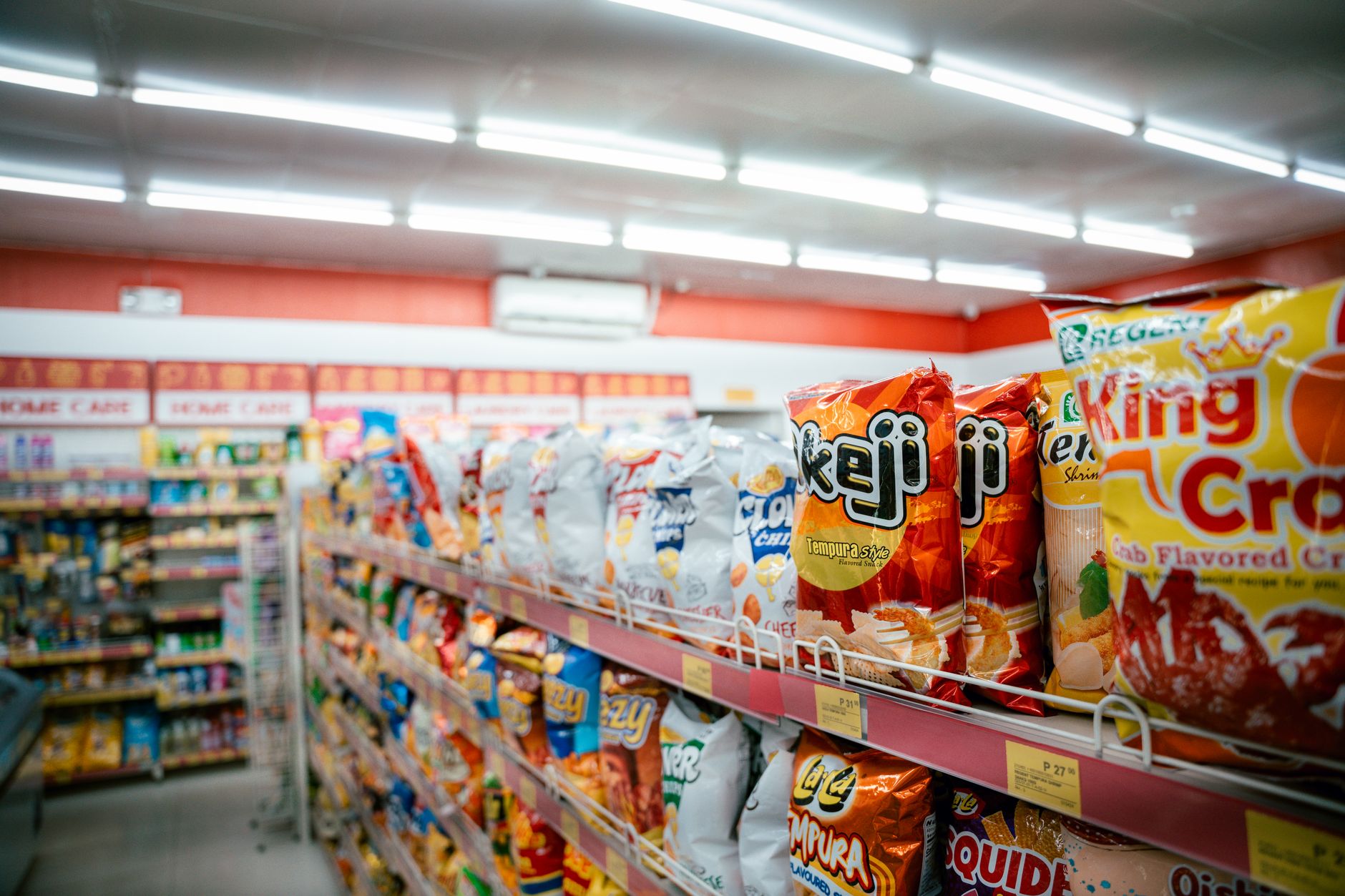
The popular image of suburban food access was always more optimistic than accurate. Yes, most suburbs have supermarkets. Yes, car ownership is higher than in dense urban cores. But food access has never been purely about proximity to a store. It is about disposable income after fixed costs, about working multiple jobs with no time to cook, about the financial margin between a full cart and an empty one. Suburban households carry mortgage debt, car payments, and childcare costs that quietly erode food budgets in ways that do not show up in zip-code-level grocery store counts.
What changed in the past few years is that cost pressure accelerated. Grocery prices climbed sharply and have not fully retreated. The quiet shrinkage of packaged food portions while prices hold steady has effectively raised the real cost of the weekly shop without the price tag technically moving. For households already stretched, that math compounds fast.
Food banks in suburban counties have reported significant demand increases over the past two years. The profile of those visitors has shifted – more working adults, more homeowners, more households that do not fit the traditional image of food insecurity. A family driving a late-model SUV to a food pantry is not a contradiction. It is increasingly the norm in places like outer-ring suburbs of major metros, where the cost of maintaining a middle-class appearance long outlasts the income to support it.
Why Delivery Numbers Mislead
Grocery delivery platforms report impressive growth metrics. Instacart processed billions of dollars in gross transaction value last year. Walmart and Amazon have both expanded same-day delivery coverage aggressively into suburban markets. To read those numbers is to conclude that suburban food access is thriving – that technology has solved the last-mile problem and households are eating better than ever.
But delivery platforms capture purchasing, not need. They measure the top half of the income distribution with extraordinary precision and say almost nothing about the bottom half. A zip code with strong delivery adoption and high food pantry usage is not a contradiction – it is a description of a place with significant inequality, where two very different economic realities share the same streets and school districts.
The Structural Trap Suburban Households Face
Suburban food insecurity is harder to address than urban food insecurity for a set of reasons that have nothing to do with delivery apps. Public transit is sparse, meaning households without reliable cars face real access barriers even when stores exist nearby. Social stigma around need is higher in communities built around the idea of arrival and stability. Federal assistance programs like SNAP were calibrated for different cost-of-living assumptions, and their income thresholds often exclude households that are genuinely struggling but earn just enough to be ineligible.
The working poor in suburbs are often the invisible poor. A household earning $65,000 a year in a suburb where housing costs $2,200 a month, childcare runs another $1,500, and car insurance adds several hundred more is not food-secure. But that household is unlikely to appear in official food insecurity statistics, unlikely to qualify for most forms of targeted assistance, and unlikely to show up in any delivery platform’s data as a problem worth solving.
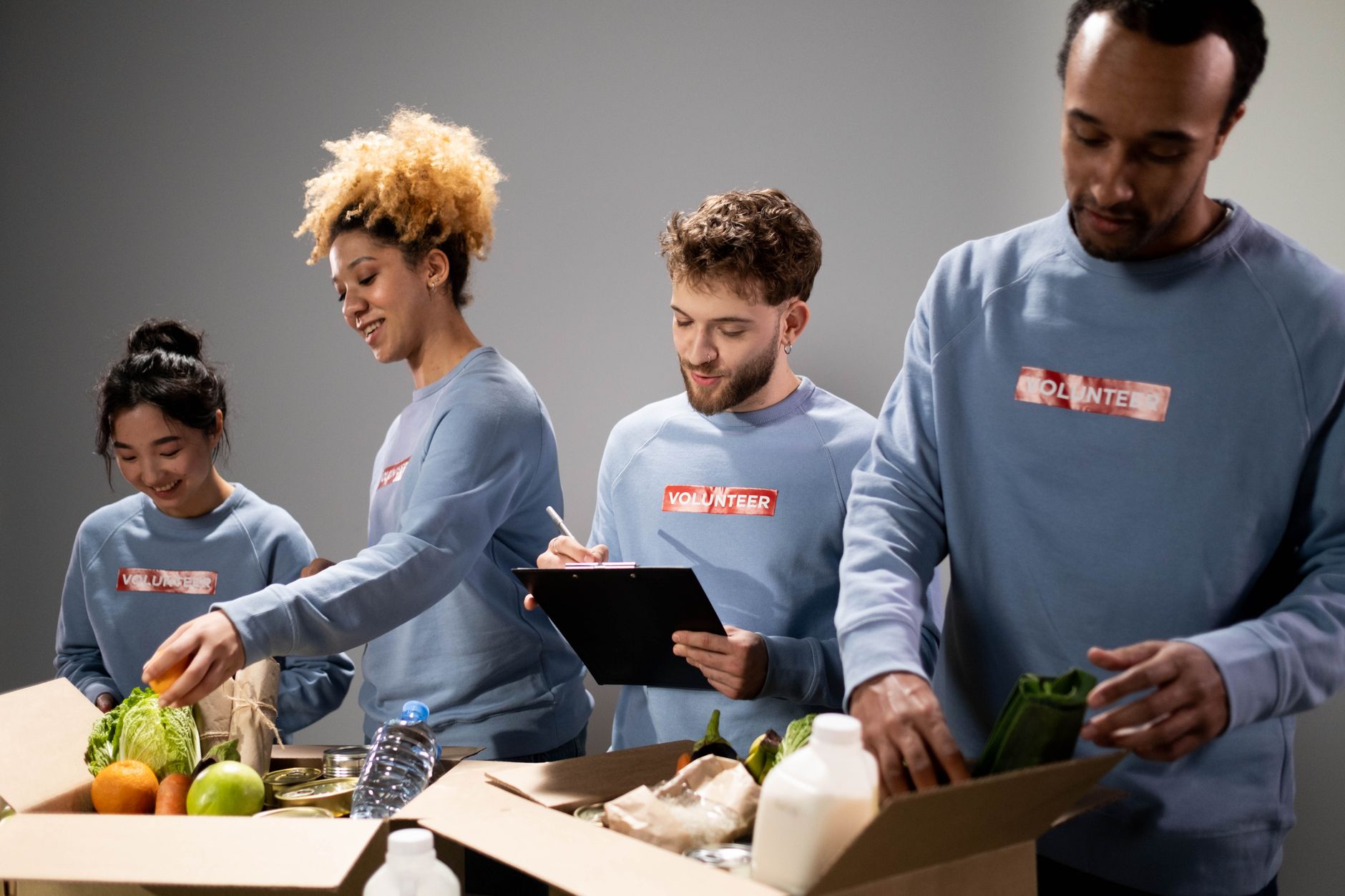
Local food banks are adapting, but the resources are not keeping pace with demand. Many suburban food pantries operate on volunteer schedules that assume daytime availability – a structure that fails working families whose schedules do not accommodate a Tuesday afternoon pickup. Some pantries have moved toward weekend and evening hours, and a smaller number have begun offering delivery or curbside pickup, essentially building the same convenience infrastructure that commercial platforms built for paying customers. The difference is that these operations run on donations and goodwill, not venture capital.
The geographic spread of suburban need also creates a logistics problem that urban density does not. Concentrated poverty in a city can be served by a single well-placed resource. Dispersed poverty across a sprawling suburb requires either multiple locations or significant transportation assistance. Neither is cheap. Neither scales easily on charitable funding alone. And local government budgets in many suburbs are squeezed by the same property tax dynamics and infrastructure costs that define suburban fiscal life – leaving little room for the kind of coordinated food access investment that the scale of the problem demands.
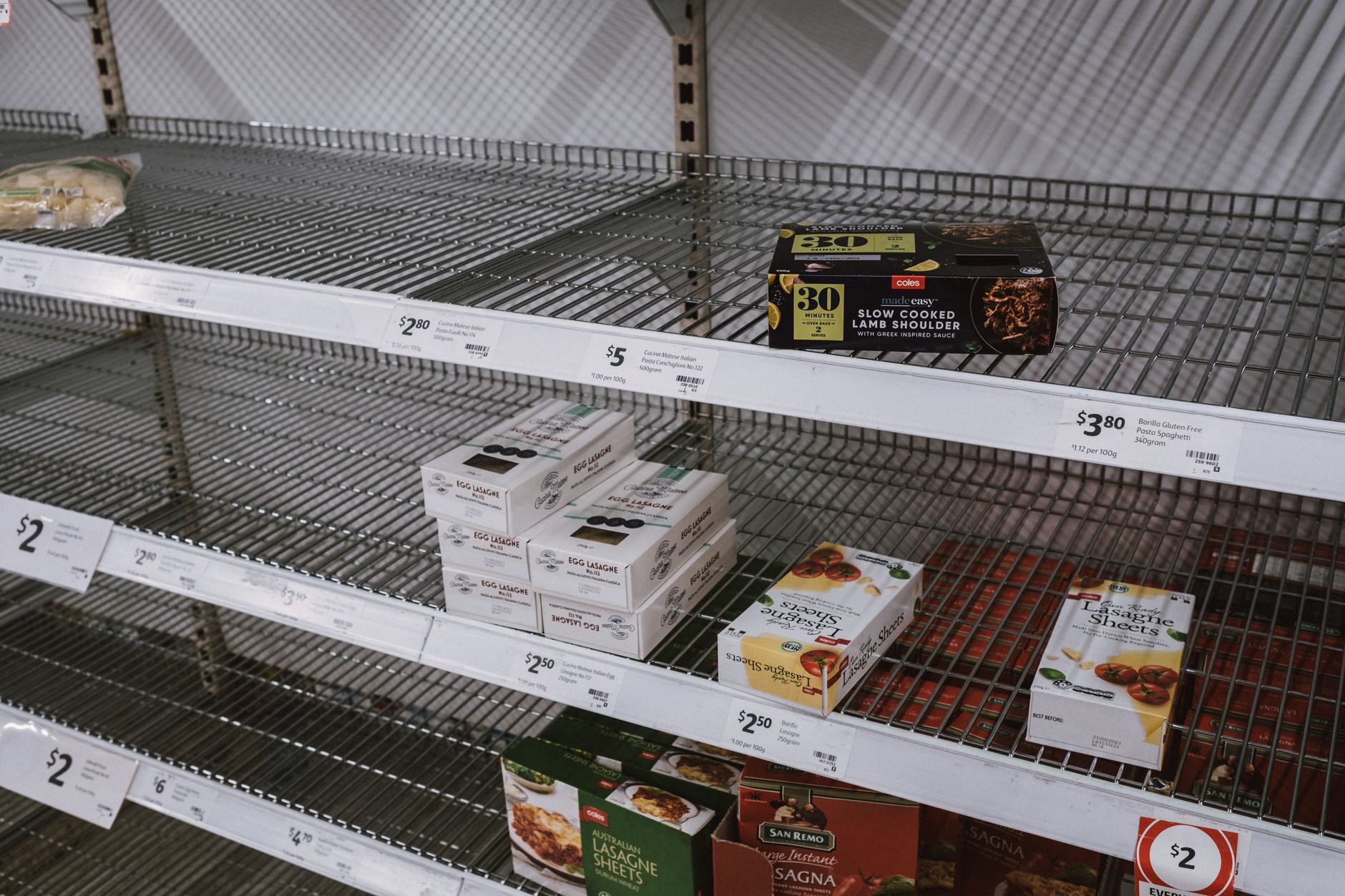
Meanwhile, the delivery economy continues its expansion, optimizing routes, cutting delivery windows, and building subscriber bases among households with the credit cards and bank accounts required to participate. The platforms are not failing at their mission. Their mission was never to address food insecurity. The problem is that their visible success creates a narrative of abundance that makes it harder to mobilize political will around the households they never served at all.
Frequently Asked Questions
Why is food insecurity rising in suburbs if grocery stores are accessible?
Proximity to stores does not equal food security. Suburban households face high fixed costs like mortgages, car payments, and childcare that shrink food budgets significantly even at moderate incomes.
Do grocery delivery platforms help address suburban food insecurity?
No. Delivery platforms require credit cards, bank accounts, and disposable income, so they serve higher-income households. They measure purchasing, not need, and tell us almost nothing about food access among struggling families.